


ivm news
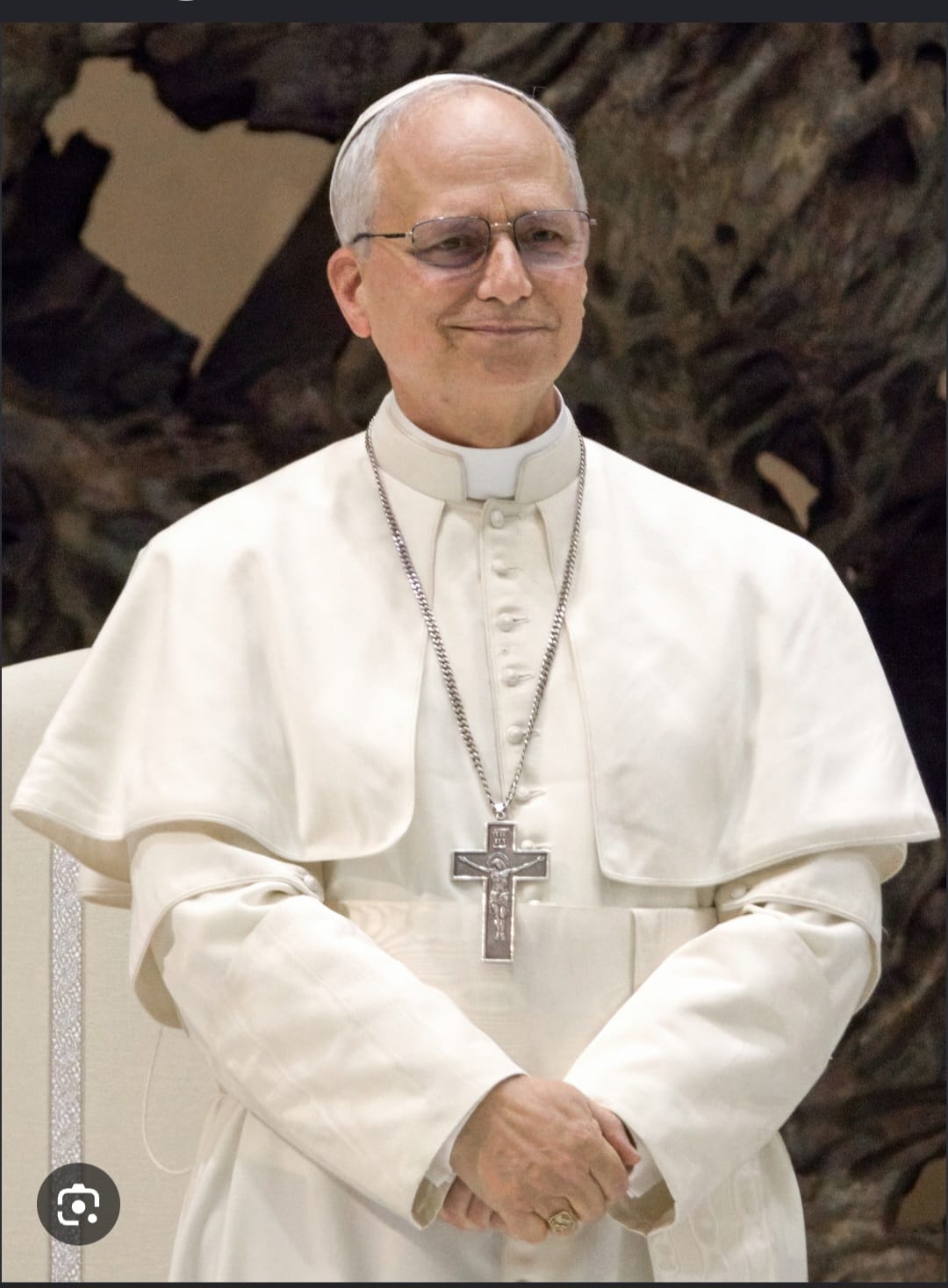
The successful surgery undergone by Pope Leo XIV to remove a cancerous growth from his lung has brought a measure of relief to millions of Catholics and well-wishers across the world. Yet, beneath the encouraging news that the operation was completed without complications lies a sobering reminder of human vulnerability, the uncertainties of medical recovery, and the enormous responsibilities carried by one of the world’s most influential religious leaders.
The 71-year-old pontiff underwent surgery at Rome’s Agostino Gemelli University Hospital on Tuesday, October 13, 2026, after doctors discovered a small, localised nodule in his lung during routine medical examinations. Although the initial announcement focused on the successful removal of the growth, subsequent medical findings confirmed lung adenocarcinoma, a form of lung cancer. Doctors removed the lower lobe of his right lung in an operation that lasted approximately 90 minutes, with the Pope spending about three hours in the operating room. The Vatican reported that the procedure was successful and that no complications occurred.
While the successful operation represents an important first step, it would be premature to interpret it as the end of the Pope’s medical challenge. Further examinations will be necessary to establish the stage of the cancer, determine whether it has spread beyond the affected area, and assess whether additional treatment is required. The outcome of those investigations will be central to understanding his longer-term prognosis.
Nevertheless, the early intervention and successful surgery provide grounds for cautious optimism.
Early Detection:
The Importance of Medical Vigilance
One of the most significant lessons from the Pope’s medical experience is the importance of routine health examinations and the early detection of potentially serious illnesses.
The discovery of the lung nodule during medical checks illustrates why individuals, regardless of age, social position or professional responsibilities, should not neglect preventive healthcare. Serious illnesses can develop without immediately producing obvious symptoms, making timely medical assessment an important component of protecting one’s health.
In the Pope’s case, the decision to proceed with surgery demonstrates the importance of responding promptly to medical advice. Once the suspicious growth had been identified and further examinations raised concerns, the medical team moved to address the problem.
However, the confirmation of cancer also underscores the need for caution. Early detection can improve treatment options and may be associated with a more favourable prognosis, but the precise outlook depends on the tumour’s characteristics, whether the cancer has spread, and the patient’s overall health.
The lesson for the public is clear: regular medical checks, attention to persistent symptoms and timely consultation with qualified healthcare professionals can make a meaningful difference. No one should assume that good physical appearance or an absence of obvious symptoms necessarily guarantees good health.
A Successful Operation Is Encouraging, but Recovery Remains Crucial
The Vatican’s confirmation that the operation was completed successfully and without complications is welcome news. Surgery involving the removal of a portion of the lung is a significant medical intervention, even when performed under planned conditions by an experienced specialist team.
The removal of the lower lobe of the Pope’s right lung means that his recovery will require careful monitoring, adequate rest and appropriate medical support. The remaining lung tissue may compensate for some of the lost respiratory capacity over time, although the extent of recovery varies from one individual to another.
For Pope Leo, the immediate priority must therefore be his physical recovery rather than an early return to the demanding schedule of papal engagements.
The Vatican had indicated that his hospital stay would last approximately a week and cancelled his scheduled public audiences through October 20. Such adjustments are appropriate and should not be interpreted as a sign of institutional weakness. Rather, they reflect the sensible recognition that the health of a leader must be protected if he is to continue fulfilling his responsibilities effectively.
The Pope’s recovery should not be judged by how quickly he resumes public appearances, but by the quality of his healing and the medical team’s assessment of his fitness to return to work.
The Human Side of the Papacy:
The illness of Pope Leo XIV also reminds the world that the papacy, despite its extraordinary spiritual and institutional significance, does not remove the person occupying the office from the ordinary realities of human life.
The Pope is a spiritual leader, a head of state and a central figure in the lives of more than a billion Catholics. Yet he remains a human being who can become ill, experience uncertainty and require medical care.
His diagnosis places him among the millions of families worldwide who have had to confront the difficult news of a cancer diagnosis. For many people, such news brings fear, questions about the future and concern for loved ones. The Pope’s experience may therefore resonate deeply with patients and families facing similar circumstances.
There is an important message in this shared vulnerability. Positions of authority, wealth, influence and religious responsibility do not make anyone immune to illness. Human dignity is not measured by health status, and the need for compassion does not diminish when the person receiving care happens to be a global figure.
The Pope’s situation offers an opportunity for greater public understanding of cancer patients, whose experiences often extend far beyond the hospital room. Their struggles may involve emotional distress, family responsibilities, financial pressures and uncertainty about treatment.
A society that expresses concern for the Pope should also demonstrate that same concern for ordinary patients who face illness without public attention or access to exceptional medical resources.
Faith, Prayer and the Responsibility of Hope
News of the Pope’s surgery has naturally prompted prayers and expressions of solidarity from Catholics and other people of faith. Prayer occupies a central place in the Catholic response to illness, offering spiritual comfort, a sense of community and an opportunity to entrust the future to God.
However, faith and medical treatment should not be presented as competing alternatives. The Pope’s experience demonstrates the importance of combining spiritual support with professional medical care.
Prayer may strengthen the resolve of patients and their families, while doctors, nurses and other healthcare professionals provide the clinical expertise needed to diagnose, treat and monitor illness.
The appropriate response is therefore one of hope grounded in reality. Catholics may pray for the Pope’s healing while acknowledging that his recovery and longer-term outlook will depend on medical findings that are not yet fully known.
Such an approach avoids both unnecessary alarm and unjustified certainty. It recognises that hope remains meaningful even when the final outcome is uncertain.
Transparency and Public Confidence:
Another important aspect of the episode is the Vatican’s communication of information about the Pope’s health.
Because the Pope occupies a unique position in the Catholic Church, information about his medical condition naturally attracts worldwide attention. The faithful have a legitimate interest in receiving accurate updates about his capacity to discharge his responsibilities, while the Pope also retains a right to medical privacy and personal dignity.
The initial announcement that surgery had been successful was followed by more specific information confirming the cancer diagnosis. This progression demonstrates why public communication about significant medical events must be clear, timely and precise.
It is important to distinguish between the success of an operation, the removal of a tumour and the achievement of a complete long-term recovery. These are separate medical questions.
The Vatican should continue to provide appropriate updates on the Pope’s condition, particularly where his health affects major public engagements or international travel. Such communication should be guided by medical evidence rather than speculation.
At the same time, the public and the media must avoid turning every detail of the Pope’s recovery into a source of sensational headlines. Responsible reporting requires respect for privacy, careful interpretation of medical statements and an understanding that a cancer diagnosis does not automatically determine a patient’s prognosis.
Implications for the Catholic Church:
The Pope’s temporary withdrawal from public duties also raises questions about continuity of leadership within the Catholic Church.
The institution’s worldwide responsibilities extend across pastoral care, diplomacy, humanitarian work, interfaith relations and the administration of the Church. These responsibilities continue even when the Pope is unable to attend public engagements.
The Church’s established structures allow cardinals and other senior officials to undertake delegated responsibilities and maintain essential activities. His temporary absence from particular events therefore does not mean that the Church must cease functioning.
Indeed, this moment provides an opportunity to demonstrate the strength of institutional cooperation and the importance of shared responsibility.
The Pope’s health should not become a source of unnecessary political or ecclesiastical speculation. The immediate concern must remain his recovery, while the Church continues its work through the structures already in place.
The situation also reinforces the need for responsible leadership that recognises human limitations. Effective leadership does not require a person to remain constantly visible or to disregard medical advice. Sometimes, the wisest decision is to step back, receive treatment and allow others to carry particular responsibilities temporarily.
The Question of His International Engagements
The Pope’s health challenges may also affect his forthcoming international programme, including the planned visit to Uruguay, Argentina and Peru in November.
Such a journey would involve substantial travel and a demanding schedule of public engagements. Following lung surgery any decision to proceed must be guided by medical advice, the progress of his recovery and the practical demands of the itinerary.
The significance of the visit, particularly to communities with which Pope Leo has longstanding pastoral connections, should not outweigh considerations of his health.
If doctors advise a postponement or modification of the programme, such a decision should be understood as a responsible precaution rather than a setback in his leadership.
The Pope’s duties are important, but preserving his health is essential to his ability to continue serving the Church over the longer term. A carefully managed recovery may ultimately be more beneficial than an unnecessarily hurried return to a demanding international schedule.
A Message Beyond the Vatican:
Beyond the immediate concern for Pope Leo XIV, the episode carries a broader message about healthcare, public responsibility and human solidarity.
Cancer continues to affect families across the world, including people who face significant barriers to early diagnosis, specialist treatment and continuing care. While the Pope’s access to a highly specialised medical team attracts attention, many patients must navigate long waiting periods, limited resources and considerable emotional strain.
The international attention surrounding his illness should therefore encourage a wider conversation about access to quality healthcare.
Governments, health institutions and communities should strengthen preventive services, improve public awareness, support cancer research and ensure that patients receive appropriate treatment without discrimination.
The medical professionals caring for the Pope also deserve recognition. Successful surgery depends on the expertise and coordination of surgeons, anaesthetists, nurses and other members of the healthcare team. Their work reflects the value of medical science and the dedication of professionals who help patients through some of the most difficult moments of their lives.
The Pope’s experience should remind society that healthcare workers perform this essential service every day, often away from the public spotlight.
Conclusion:
Ultimately, Pope Leo XIV’s experience is not merely a story about a religious leader undergoing surgery. It is a reminder that even those entrusted with the highest responsibilities remain human, vulnerable to illness and dependent on the care of others.
His recovery should be approached with patience, realism and hope. The true measure of a successful outcome will extend beyond the operating theatre to include his longer-term health, the results of further medical assessments and his ability to resume his duties safely.
Until those answers become available, the most responsible conclusion is neither despair nor premature celebration, but informed optimism, continued prayer and respect for the medical process.