


iVM Channels
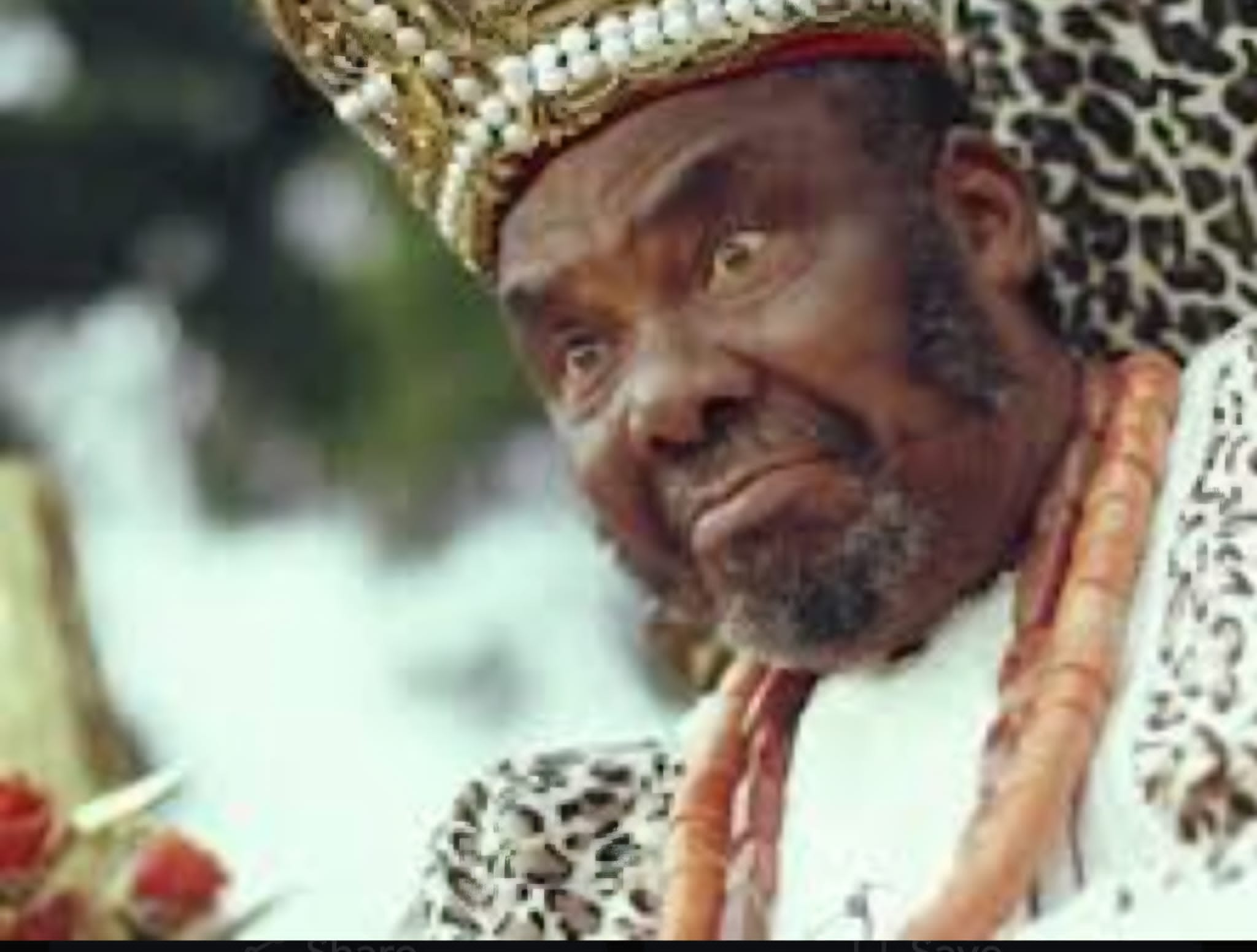
By any measure, Chief Pete Edochie was more than an actor. He was an institution. A commanding voice, a master of the African proverb, an unforgettable screen presence and one of the towering figures who helped give Nigerian television and cinema its identity.
Veteran Nigerian actor and broadcaster, Chief Pete Edochie, who died on Wednesday at the age of 79, leaves behind a legacy that stretches far beyond the hundreds of characters he portrayed on screen. For generations of Nigerians and audiences across Africa, Edochie was the embodiment of authority, wisdom, tradition and the unmistakable power of storytelling.
He died at 12:30 am in Enugu following a prolonged battle with prostate cancer, according to a statement signed by his son, Leo Pete Edochie, on behalf of the family.
His death marks the passing of one of the last great titans of Nigeria’s golden television and film era.
A LIFE THAT BEGAN IN BROADCASTING
Born on March 7, 1947, in Zaria, Kaduna State, Pete Edochie hailed from Akamnato, Ifite Nteje, in Anambra State.
He began his education at St Patrick’s and St James Primary Schools in Zaria before proceeding to St John’s College, Kaduna. He later studied journalism and television at the School of Journalism and Television in England.
Long before Nollywood became a global brand, Edochie had already established himself as a respected broadcaster.
In 1967, he joined the Eastern Nigerian Broadcasting Corporation as a junior programmes assistant and steadily climbed the professional ladder.
Broadcasting was not merely his first career; it became the foundation upon which his remarkable communication skills and commanding presence were built.
In a 2022 interview with Vanguard, Edochie recalled his broadcasting years, including his presentation of the classical music programme Music from the Masters.
But the world would soon discover that the man behind the microphone possessed an extraordinary gift for acting.
THE ROLE THAT MADE A LEGEND
Pete Edochie’s defining breakthrough came with his portrayal of Okonkwo in the Nigerian Television Authority’s adaptation of Chinua Achebe’s literary masterpiece, Things Fall Apart.
It was a performance that changed the trajectory of his career.
As Okonkwo, Edochie embodied the strength, pride, contradictions and emotional turmoil of the celebrated Igbo warrior. His powerful delivery and extraordinary command of the character transformed him from a respected broadcaster into one of Nigeria’s most celebrated actors.
The performance resonated far beyond Nigeria.
The BBC sent a delegation to interview him about his portrayal, an indication of the international impact of his work at a time when the Nigerian film industry had yet to acquire the global identity that would later become known as Nollywood.
In a 2023 interview with The Nation, Edochie recalled that his portrayal of Okonkwo had already attracted international recognition before the Nigerian movie industry became widely known as Nollywood.
THE VOICE THAT COULD COMMAND A SCREEN
Pete Edochie’s greatness was not simply in the characters he played. It was in how he played them.
His deep, authoritative voice could command attention without shouting. His measured delivery gave weight to even the simplest sentence. His facial expressions, posture and controlled movements conveyed authority.
And then there were his proverbs.
Edochie became synonymous with the traditional African proverb, often delivering wisdom, warnings and life lessons in a manner that made his dialogue instantly memorable.
He could play a king, a wealthy businessman, a father, a village elder or a powerful patriarch — and somehow make the character feel larger than life.
For many viewers, seeing Pete Edochie on screen meant knowing that a memorable performance was about to unfold.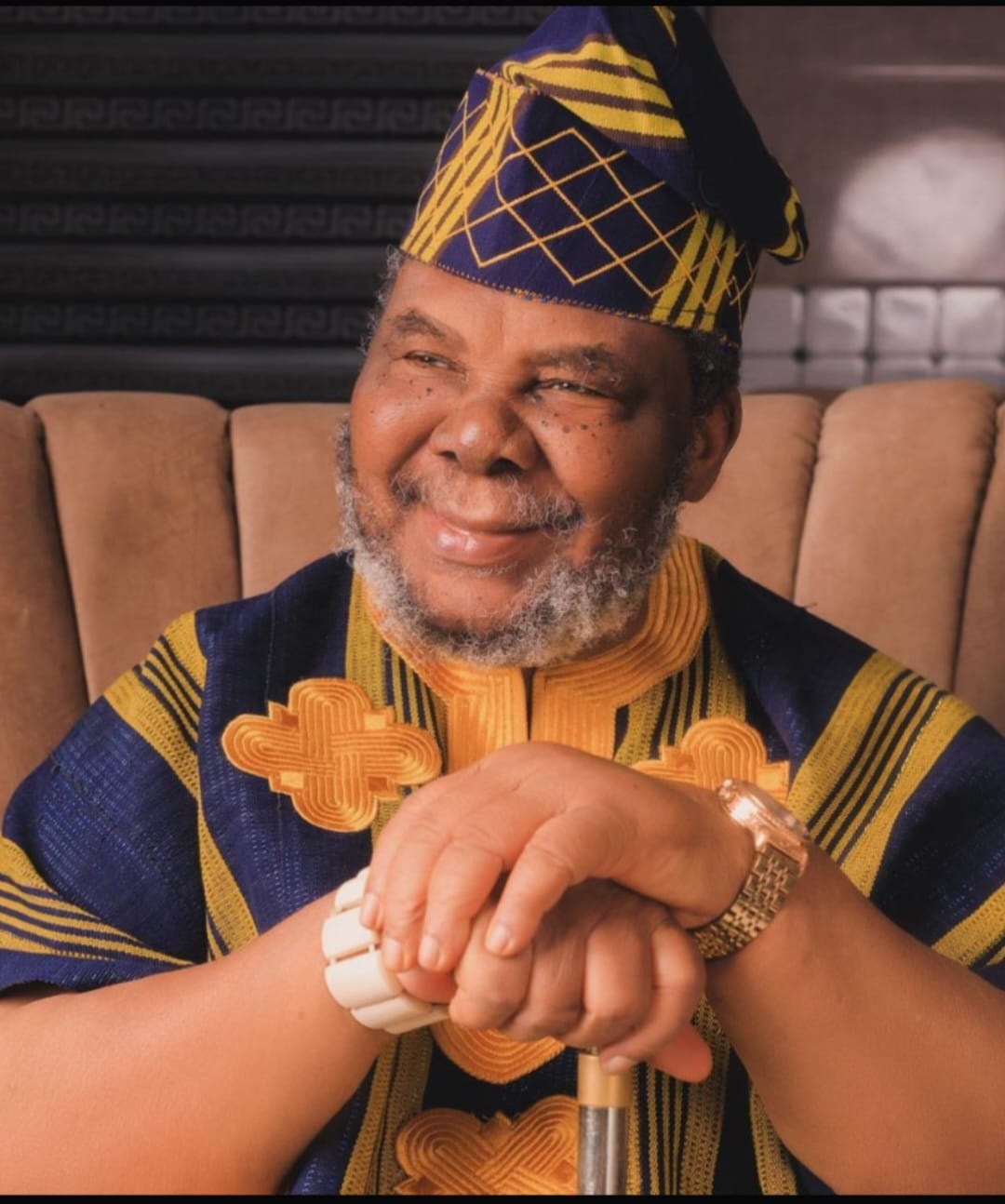
A COLOSSUS OF NOLLYWOOD
Following his success in Things Fall Apart, Edochie became one of the most recognisable faces in Nigerian television and film.
He appeared in numerous productions, including Igodo, Rituals, Billionaire’s Club and Genevieve Nnaji’s acclaimed 2018 film Lionheart, where he played Chief Ernest Obiagu.
Across decades, he worked alongside generations of Nigerian actors and became a bridge between the country’s early television era and the modern Nollywood industry.
While Nollywood produced countless stars, few possessed Edochie’s distinctive combination of voice, authority, intelligence, theatrical presence and cultural authenticity.
He did not merely act traditional African characters. He gave them an unmistakable dignity and presence.
A LEGEND RECOGNISED
Edochie’s contribution to Nigerian entertainment earned him several prestigious honours.
In 2003, he received the national honour of Member of the Order of the Niger (MON) from former President Olusegun Obasanjo.
He was also honoured with the Industry Merit Award by Africa Magic and a Lifetime Achievement Award from the Africa Film Academy.
In 2020, he received the African Film Legend Award at the African Film Festival.
But perhaps his greatest award was one that could never be presented on a stage: the enduring affection and respect of millions of viewers.
THE MAN, THE FAMILY AND THE PUBLIC SPOTLIGHT
Edochie was married to Barrister Josephine Edochie, with whom he had six children, including actors Yul Edochie and Linc Edochie.
Like many prominent public figures, his family occasionally attracted media attention, particularly in connection with controversies surrounding his son Yul’s marriage and the public disagreements that followed.
In one of his final widely discussed interviews, granted to Ugo Nwokolo TV, Edochie spoke passionately in defence of his son.
An excerpt from the interview was released on social media on Sunday, November 22, with the full interview scheduled for release on the day of his death.
Defending Yul against public criticism, Edochie described his son as a strong person who had remained undeterred by the backlash.
He also praised his son for not publicly speaking ill of his first wife, May Edochie, despite the controversy surrounding their marriage.
The timing of the interview’s scheduled release added another poignant dimension to the news of his passing.
THE LEGACY OF A GIANT
Pete Edochie’s legacy cannot be measured simply by the number of films he made or awards he received.
His greatest contribution was cultural.
He helped demonstrate that Nigerian stories, Nigerian voices and African traditions could command attention on television and film.
He carried the authority of the African elder into homes across generations. He made proverbs fashionable. He gave traditional characters extraordinary presence. And through roles such as Okonkwo, he showed the world that African stories could produce performances of universal power.
For an entire generation, Pete Edochie was not simply playing the king — he was the king of the screen.
His voice became recognisable.
His mannerisms became iconic.
His proverbs became memorable.
His characters became part of Nigerian popular culture.
And his name became synonymous with excellence in acting.
THE FINAL CURTAIN
The Nigerian entertainment industry has lost one of its most formidable pioneers.
Pete Edochie belonged to a rare generation of artists who did not simply participate in the development of Nigerian television and cinema — they helped build it.
From the broadcasting studios of the 1960s to the golden age of Nigerian television and the explosive rise of Nollywood, his career reflected the evolution of an industry and the transformation of Nigerian storytelling.
He was broadcaster.
He was actor.
He was narrator.
He was cultural ambassador.
He was a master of the proverb.
He was the voice of the African patriarch.
And above all, he was a legend.
The curtain may have fallen on Pete Edochie’s remarkable earthly performance, but the characters he created, the stories he told and the cultural imprint he left behind will continue to live on.
Nigeria has lost a giant. Nollywood has lost a colossus. Africa has lost one of its most distinctive voices.
Pete Edochie may have taken his final bow, but legends do not truly leave the stage — they live on in the stories they leave behind.